
I’ve been wanting to write an article on this for some time now. I’ve been thinking about how I can break these 2 areas of Game Dev down and show how they are interdependent on each other for ideal gameplay experiences (gameplay loops, objectives, flow and pacing.)
Excuse the AI generated “2 sides of the same coin”, ideally, I’d have a .gif spinning showing both sides of the coin, but the above image will have to suffice for now – just imagine each side of a spinning coin looking like this:
Okay, you probably get the gist.
So, what are great examples of LD and GD working together to create an unforgettable game experience? Well, one of the first ones I can remember as a kid was Super Metroid.
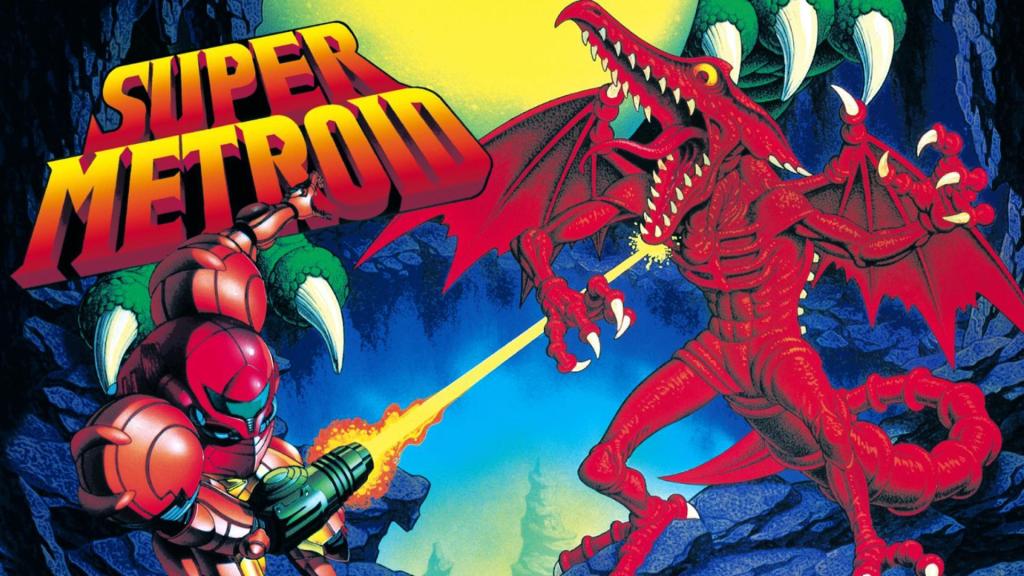
Super Metroid was the first game that made me realize how complex and interesting Game Design and Level Design could be together. Before this game, the majority of games I had played were Atari, NES, or derivatives of the typical Arcade experience. These were the games where you often moved from left to right, where the levels were linear, and if you died you would have to start back at the beginning (unless you remembered the cheat codes).
Super Metroid changed all of that for me. For the first time ever, I found myself backtracking in a videogame. Taking a mental log of the places I couldn’t access yet because I didn’t have the ability or weapon to open that specific door. I’d see on the Map that there was something behind that door, but I just didn’t know how to get into that area yet.
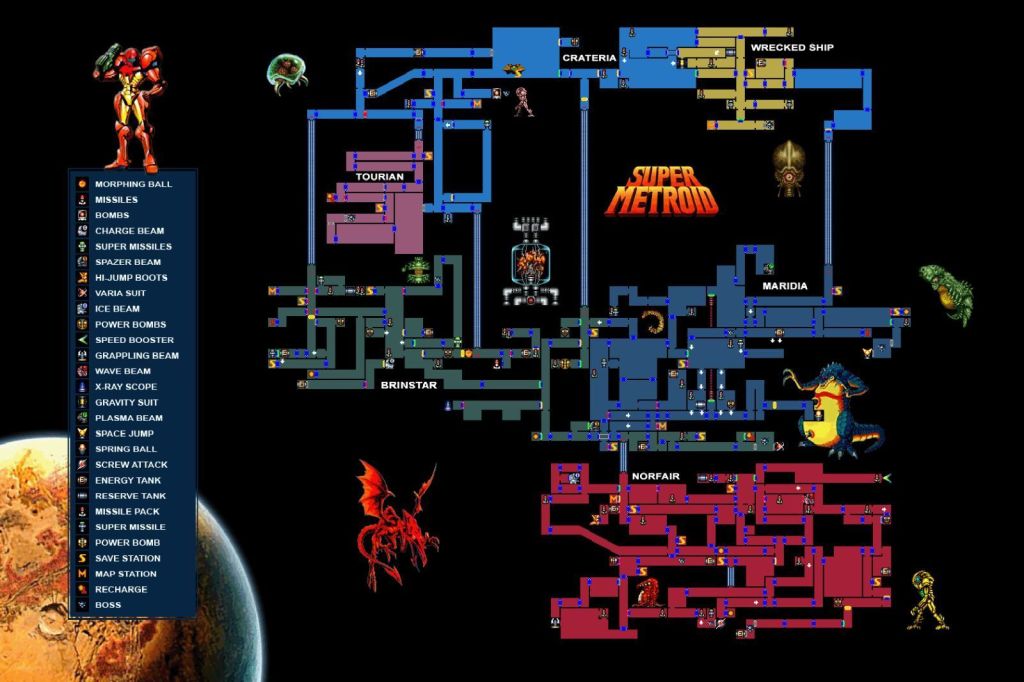
Defeating a Boss, and getting the new weapon and realizing I can finally go back and access those areas was a unique experience for me. I spent so many hours playing, exploring and beating Super Metroid for the first time. It was a game I told every one of my friends about.
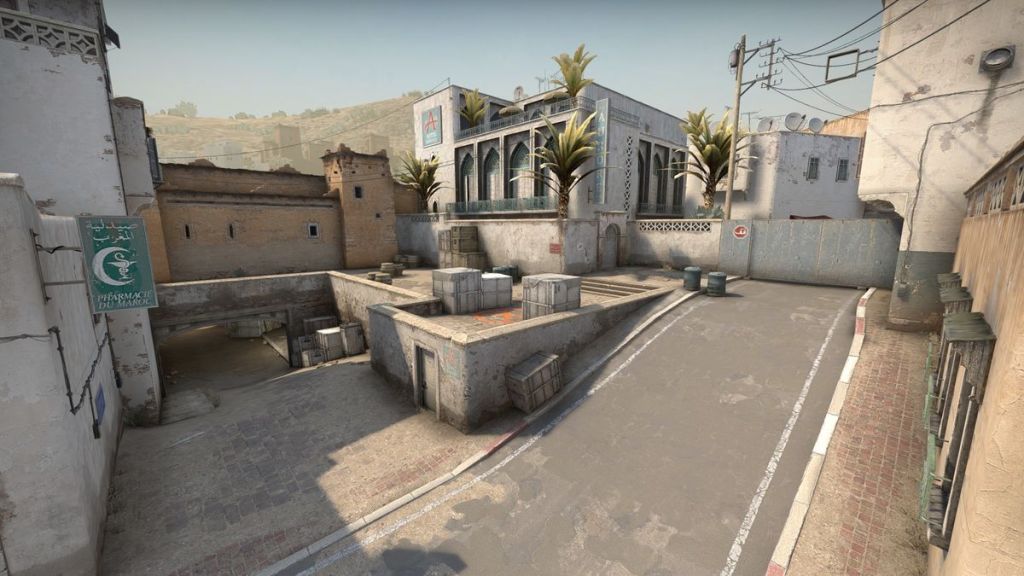
Many years later I fell in love with another videogame that Level Design and Game Design went hand-in-hand. Counter-Strike. I’ve written an article about how CS’s most famous map, Dust2, changed CS maps forever. The reason Dust2 did that? Because it matched its Level Design with the intended Game Design of Counter-strike. Dust2 is a map that has no filler, no fat, tight-timings, clean angles & visibility. It set the bar for optimizing gameplay space through level design. The result is a map that is known world-wide and is still cherished today, some 25 years later.

Another game that really stood out to me recently was Star Wars Jedi: Survivor. The first Jedi Game (Fallen Order) went for a Dark Souls like Level Design / metroidvania Hub design. Although that game achieved everything and more that people expected of it, it pales in comparison to what Respawn was able to pull off with the sequel, Survivor.
Talk about a game where the Level Designers, Game Designers and Programmers were in sync! Entire Planets in Survivor are masterpieces in terms of visual fidelity, pathing, exploration, combat, pacing, player leading. Even Platforming elements challenge the player and are actually both fun and not excessively repetitive, a problem many games have when including Platforming.
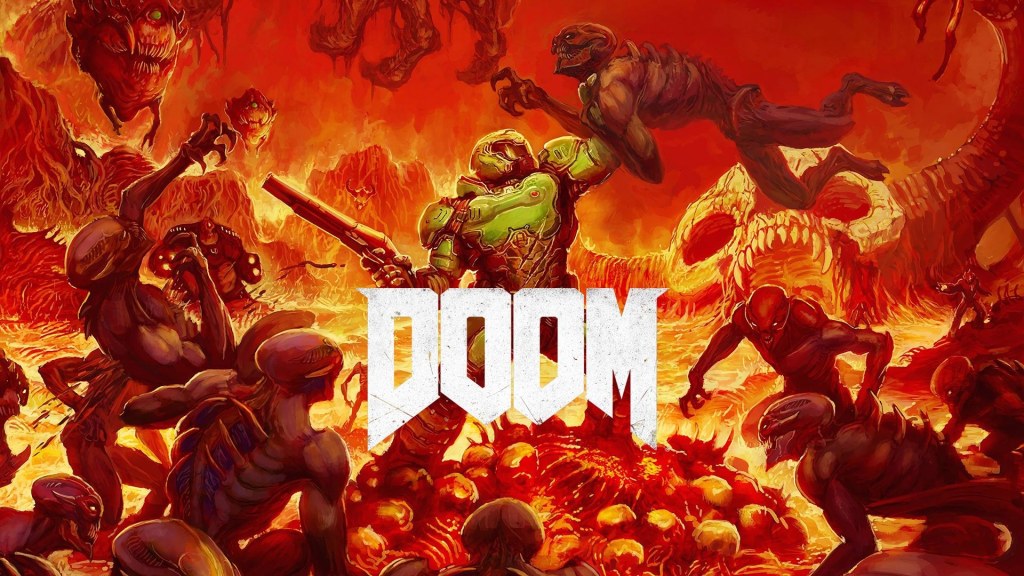
Linear games can also really shine in this realm, Doom 2016 comes to mind. I remember playing that game and just being in love with the Level Design (yes, it takes about an hour of playtime to get to the really good stuff, but once you do, the mini-hub/metroidvanianish locations and use of vertical space is just great and very satisfying in a fact paced gameplay setting).

Finally, let’s take a look at one of my favourite Single-Player games, Batman: Arkham Asylum. There was a great pacing and gameplay breakdown and analysis posted many years ago that caught my attention.
Here’s the breakdown of the gameplay chart from that analysis:
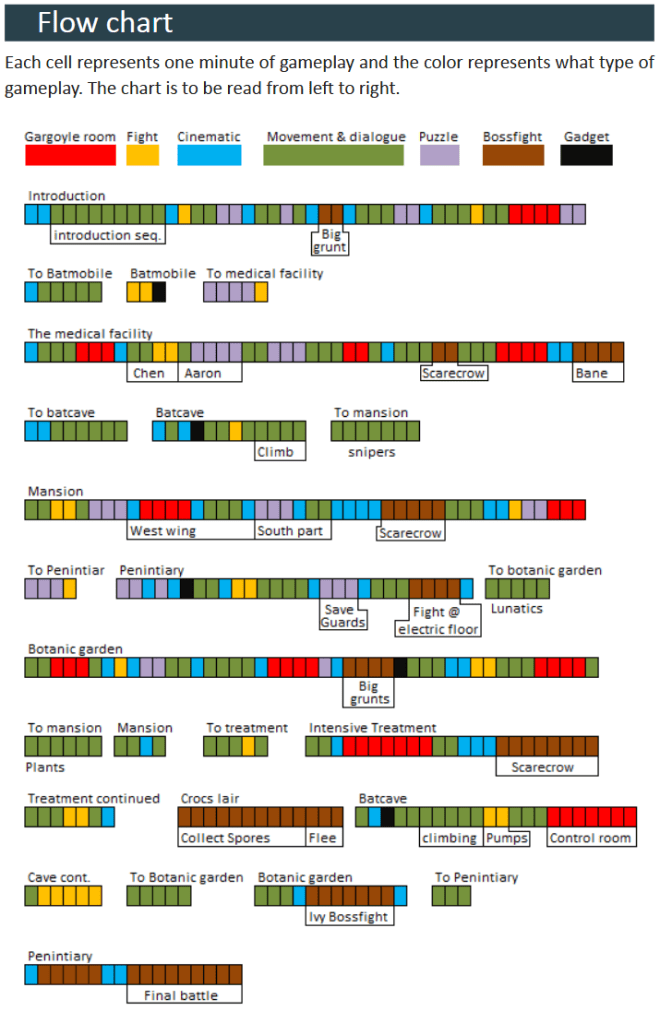
This breakdown shows how variety and pacing serves to keep players interested and prevent gameplay from feeling stagnant or repetitive. Along with this environmental pacing, comes gameplay challenges ramping up overtime (more difficult enemies, new gadgets and abilities, and so on).
View the full analysis below:
Arkham Asylum is game I’ve played though a handful of times, simply because I enjoy its straight-forward approach to storytelling and no-fat design. The world itself is a somewhat metroidvania layout, with many linear segments, but also with a good mix of back-tracking and exploration. The design and execution of this game is truly a masterpiece of Level Design and Game Design working in harmony to delivery a game where you truly feel like you are ‘The Batman’.
Is it a coincidence that both Super Metroid and Arkham Asylum are two of my favourite SP games? I’d show you how they have more in common than you’d might think!
So, these are cases where LD & GD go together as yin-yang, but what are some examples of where games fail to meet this? Well, it happens more often than you think.
Games that are especially prone to failure in synchrony between Level Design and Game Design are Open World Games. Why? Because they give the player too many options, meaning the ability to control the narrative direction, flow, or even force players to use particular abilities gets lost in the vastness of choices and options. Also, Open World typically means much more space to fill with interesting content, which can be a challenge both creatively and in terms of production (labor force/personnel and $$$).
Now, this obviously isn’t always the case – some Open World games are incredible at combining these important Level Design and Game Design features. The Dark Souls Series & Elden Ring, Bethesda’s Skyrim, Legend of Zelda BOTW, and others – however, more often than not, the larger and more complex game Worlds developers aim for, the more misalignment occur across these 2 departments.
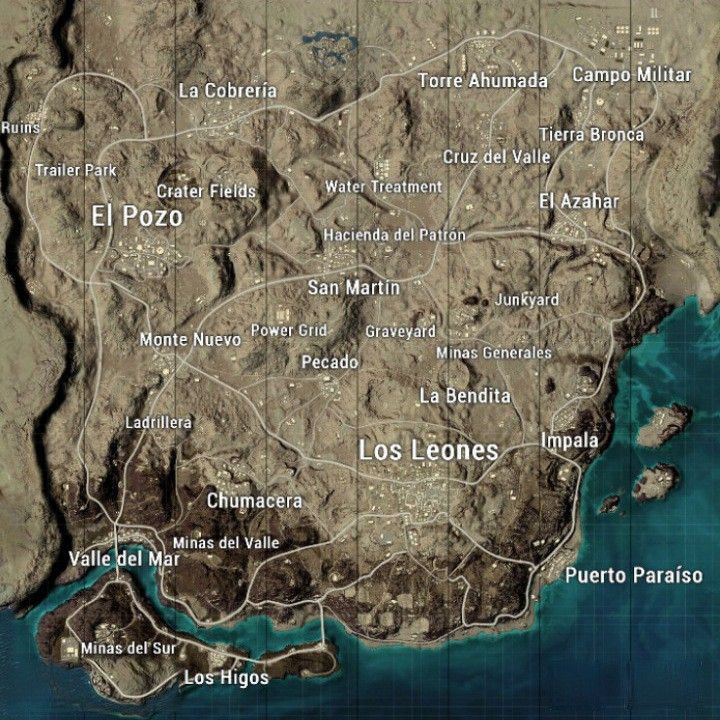
Even games that would consider their open, vast environments to be one of their greatest strengths can often have a negative impact on gameplay and experience. PUBG for example, whilst the first map released for that Battle Royale, Erangel, was well received, the 2nd map, Miramar(the desert map) was rightfully disliked by the majority of the playerbase.
The initial design of Miramar showed a lack of understanding their own game formula: massive, complex or hand-crafted locations were on the perimeter of the map (meaning, the circle would close and those locations would become unplayable), while also having a lot of dead zones and nothing areas between. There were multiple areas that a lot of love went into creating, but didn’t see any action because of their position on the map (i.e. a complex under-mountain mining operation that was one of the more interesting spots on the map had very little actual gameplay.)
Hotspots were also problematic, as the initial combat phase would be intense, but pacing would die with a drastic fall-off in PvP experiences for at least 15-20 minutes afterwards.
to be continued… this is Part 1 of this article, and I will come back to continue it so more… stay posted!
-Will

 LEVELDESIGN.XYZ